The Whaler Santa Monica: From Prospecting to a High-Visibility ChargerGoGo Placement
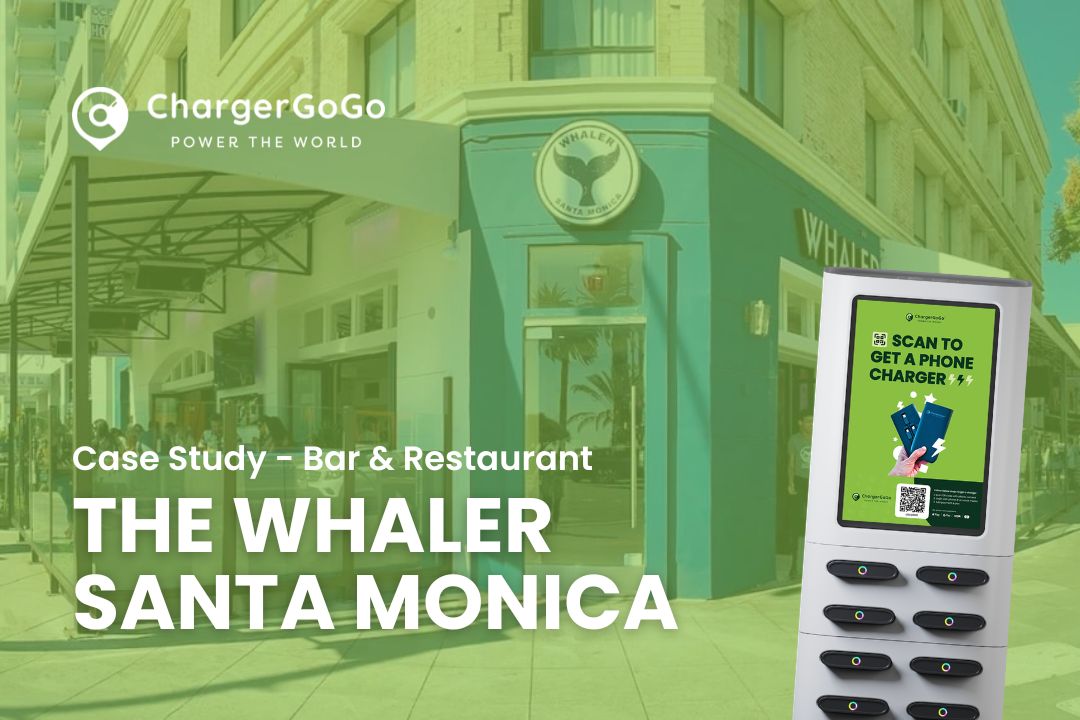
Case Study Snapshot
Venue: The Whaler Santa Monica
Venue Type: Restaurant & Bar
Market: Santa Monica, California
Station: 1 × C8 Pro
Installed: Mid-2025
Placement: Wall-mounted in a highly visible dining area
Usage: Approximately 2–3 rental transactions per day during operating hours
Average Customer Spend: Approximately $7 per transaction
DP Lesson: Strong small-venue placements start before installation. Find locations where guests already depend heavily on their phones, demonstrate the value directly to the decision-maker, and make visibility part of the placement strategy.
%20(3).jpg)
The Opportunity
The Whaler Santa Monica had several characteristics that made it a strong ChargerGoGo prospect.
Located in a busy tourist area, the restaurant and bar serves both indoor and outdoor diners and experiences high foot traffic throughout the day. Guests may spend significant time eating, drinking, taking photos, communicating with friends, and arranging rideshare transportation.
For a distribution partner, these are important prospecting signals.
The goal is not simply to find a busy business. It is to find a venue where high traffic, meaningful dwell time, and frequent phone use come together.
That combination created a practical opportunity to introduce portable charging as part of the guest experience.
The Sales Approach
The DP did not rely on an existing relationship.
The venue was first identified through Google Search and Yelp as part of local prospecting. The DP then visited the location in person, asked for the manager's contact information, and was ultimately referred to the owner.
From there, the DP used a traditional door-to-door sales approach—with one important advantage: a ChargerGoGo station was brought in for a live demonstration.
Instead of making the conversation entirely theoretical, the DP could show what the station looked like, how it worked, and how it could fit into the venue.
The value proposition centered on guest convenience and operational simplicity. ChargerGoGo could give customers access to portable charging without requiring restaurant employees to collect phones, find outlets, or manage individual chargers.
No specific objections from the operator were documented, so DPs should not assume there were none. The broader lesson is to be prepared to address common concerns such as space, appearance, expected usage, and staff involvement during the demonstration.
The Placement
Closing the venue was only half the job.
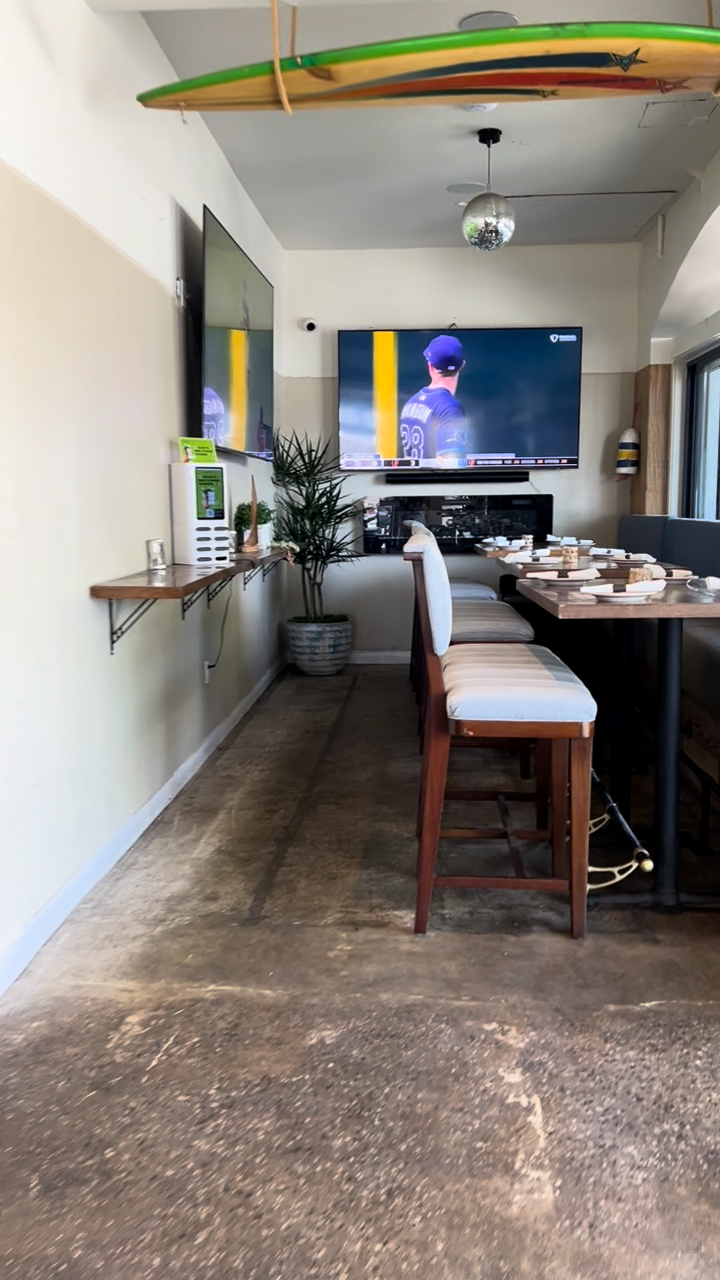
The C8 Pro was wall-mounted in a highly visible part of the dining area.
That placement mattered for three reasons:
- Visibility: Guests could easily notice the station while inside the venue.
- Accessibility: Customers could reach it directly from the dining area.
- Operational fit: Wall mounting used space efficiently and kept the station out of major staff and customer traffic paths.
No verified information indicates that the station was moved or that another location was tested.
The placement still illustrates an important rule for DPs: do not choose a location simply because an electrical outlet is available.
A station should be positioned where guests can see it, understand that charging is available, and access it without disrupting venue operations.
The Results
Since installation in mid-2025, the C8 Pro has generated approximately 2–3 rental transactions per day during operating hours.
Average customer spend is approximately $7 per transaction.
These results provide a useful proof point for similar small venues: one well-positioned station can generate consistent charging activity in an environment where guests have strong reasons to keep their phones powered.
No approved owner, staff, or guest quote is currently available.
What Distribution Partners Can Learn
1. Prospect for behavior, not just business type
Look for restaurants, bars, cafés, nightlife locations, tourist destinations, and beachside venues where guests stay for meaningful periods and regularly use their phones.
2. Get to the decision-maker and demonstrate the product
Google and Yelp can identify prospects, but the sale may still happen face-to-face. Ask for the manager or owner and, when practical, bring a station so the operator can see the experience firsthand.
3. Treat placement as part of the sale
Do not celebrate the signed venue and then hide the station in a corner. Visibility, accessibility, and operational fit directly influence whether guests notice and use the service.
Reusable Sales Talking Point
Guests at busy restaurants and bars rely on their phones for communication, photos, payments, and rideshare. ChargerGoGo gives them access to portable charging without requiring staff to manage customers' phones or individual chargers.
Suggested Next Action
Identify three high-traffic restaurants or bars in your market with strong tourist, nightlife, or rideshare activity. Visit them in person, demonstrate the station, and identify a visible placement location before closing the conversation.